

Oops! That page can’t be found.
It looks like nothing was found at this location. Maybe try a search?
Intentional archiving of club culture and heritage
Club culture’s global influence is undeniable, yet it still struggles for legitimacy. Despite being the driving force behind nighttime economies and the laboratory for progressive visions of the future, it often remains sidelined by institutions when it comes to recognising club culture’s role in shaping society and contributing to public heritage.
Club cultural history is sprawling yet fragile, told through fragmented oral traditions, vanishing dancefloors, and the selective memory of mainstream media. Intentional archival — and not mere documentation — is crucial for legitimising and protecting dance music as a cultural form.
Unlike rock’s meticulously archived and endlessly repackaged mythology, dance music’s legacy remains precariously scattered, its history fading with each disappearing dancefloor. Nightlife is a space for experimentation and subversion, but what happens at night usually stays there. Beyond the underground networks, dance music culture is seeing the systemic erasure of the Black, queer, and working-class pioneers who built it. The industry cherry-picks its icons while entire movements are passed over, their stories shared in afterparty conversations rather than preserved in public memory.
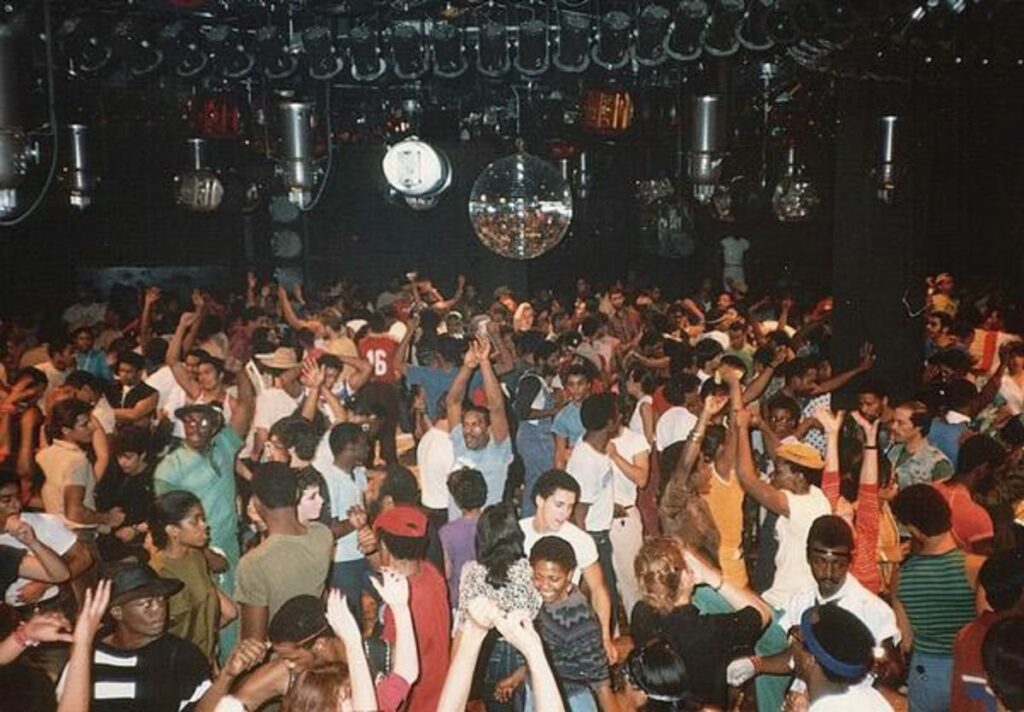
The legendary status of nightclubs like Paradise Garage in New York are the exception, not the norm in the broader cultural archive. Credits: photographer and source unknown.
The dance music world has always been good at documentation. Obsessive crate digging is matched by exhaustive collections of flyers, radio rips, grainy phone footage. Today, the commercial success of coffee table-format heritage for club culture enthusiasts is driven by collectibles such as the recently published book by legendary Brussels club Fuse, and John Leo Gillen’s book Temporary Pleasures on the history of nightclub architecture. Club culture has also received recognition beyond consumer tastes and collaborations with high art— most notably with Germany’s inclusion of Berlin’s techno scene in UNESCO’s list of intangible cultural heritage. Even outside of Western contexts, indigenous electronic dance music is being re-discovered and celebrated. In Indonesia, Funkot’s international and domestic success is acknowledging the genre beyond comparisons to gabber, a genre from the country’s former coloniser. In India, Charanjit Singh’s Ten Ragas to a Disco Beat is finally being reclaimed as a homegrown progenitor of acid house.
A cover by band Glass Beams of Raga Bhairav (1982) by Charanjit Singh, which is now celebrated in India as a homegrown pioneer of acid house.
But as Emma Warren puts it in Document Your Culture, “Documenting is the act of capturing information, while archiving is about preserving and organizing that information for the future.” Archiving requires intention. Without it, documenting dance music becomes an exercise in exploiting and gatekeeping culture. Without actively supporting the culture and communities that keep these legacies alive, history becomes a conversation piece, a fashion statement. We risk being too busy pontificating to remember to dance. In a recent article, Chal Ravens describes this tendency of ‘academisation’ and ‘museum-ification’ which has “turned the dancefloor into a kind of ideological zone of contestation rather than just a receptacle for weekend hedonism”. While this shift reflects dance music’s cultural importance, it also risks detaching it from the communities that built it. Although politics on and off the dancefloor is a laudable progression, dance music history should not be merely appropriated for the tastes of highbrow art. In our scramble to turn our passions to side-hustles and our art into content, are we losing the intangible and ephemeral experience of the night? Ravens warns that “the now late-onset celebration of rave doesn’t also serve as its eulogy”. Without intention, history is left to be rewritten by those who can afford to control the narrative.
Archiving should instead serve to strengthen and advocate for the communities at the heart of nightlife and club culture. VibeLab in collaboration with Podiumkunst.net are undertaking a project ‘Archiving Dutch Club Culture’ that aims to empower and give voice to the hidden stories of grassroots creative communities in the Netherlands. The goal is to develop a living archive that is sustainable and community-run. Senior project manager at VibeLab Thomas Scheele emphasises that “our goal is not just to collect stories, but to empower communities to document and preserve their own heritage.” The project was well received at the recent Dancecult Research Network Conference held in Berlin in January 2025, where the team presented the project’s results. Work such as this shows that intentional archiving is not just about preserving the past—it is about empowering communities to shape how their histories are told. If dance music is to resist erasure, its archiving must be a living, participatory act, driven by the very people who sustain its culture.
In July, VibeLab in collaboration with Podiumkunst.net published the report “Archiving Dutch Night and Club Culture”, which explores how nightlife communities, artists and institutions in the Netherlands are documenting and safeguarding club culture history. The report includes case studies, stakeholder insights and practical tools for grassroots communities to document their own culture. Recommendations will be shared with cultural institutions and city officials later this year. The report is available online for free download in English and Dutch.
The Archiving Dutch Night and Club Culture Report Is Out Now!
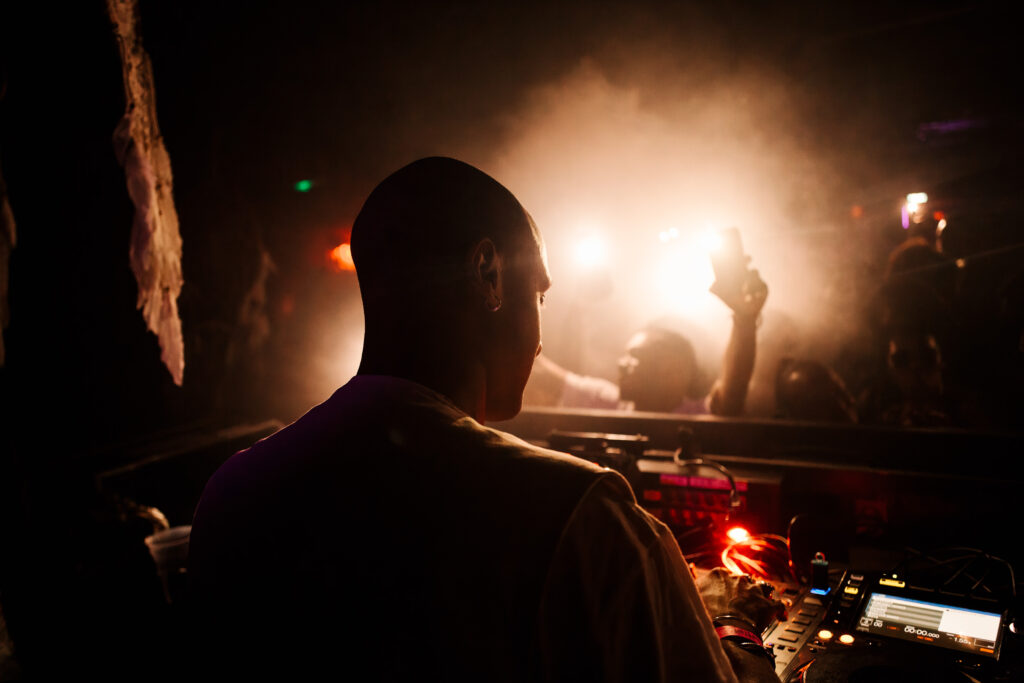
Photo Credit: Raymond van Mil
What remains of a night that was never meant to be documented? The new report, Archiving Dutch Night and Club Culture, explores how nightlife communities, artists, and institutions across the Netherlands are documenting and safeguarding the past and present of club culture.
Commissioned by Podiumkunst.net and led by VibeLab, the study features 900 minutes of interviews, four case studies, six key recommendations, and a practical checklist to help grassroots communities start their own archival processes.
From illegal raves to iconic flyers, from queer house parties to regional scenes in Groningen, Eindhoven, Rotterdam, and Deventer, Dutch nightlife is rich, diverse, and deeply rooted in local communities across the country. The cultural DNA of the night is written not only in Amsterdam but in cities and regions nationwide, and these stories deserve a place in our collective memory.
Crucial part of the report is also to emphasize the importance of archiving marginalized voices that are often overlooked in mainstream narratives.
“You need a lot of flexibility and imagination because in collaborating with underrepresented groups, [and] grassroots organisations, you cannot come with a fixed mould.” — Migiza Victoriashoop, Head of Collections at Amsterdam City Archives
As nightlife culture gains recognition within the broader cultural heritage conversation, this report aims to ensure that preservation efforts centre the voices, contexts, and creative energy that define nightlife – safeguarding these stories for future generations.
The report explores key findings and recommendations related to the challenges and future of nightlife archiving
- Community Ownership:
Where possible, nightlife communities should own and manage their own archives. If institutional involvement is necessary, it should be guided by post-custodial approaches that maximise community ownership.
- Institutional Dynamics:
Recognising the inherent power imbalance and the risk of exploitation, collaborations between institutions and nightlife communities must prioritise equity, flexibility, and trust-building, which may require long-term engagement.
- Recognise Nightlife’s Cultural Value:
Acknowledge night and club culture as integral to Dutch heritage at institutional and governmental levels, and in doing so, adapt existing frameworks to embrace its ephemeral, and unconventional nature.
- Marginalised Voices:
Existing archives often exclude minoritised communities, non-commercial successes, and lesser-know regions, reinforcing a narrow perspective on the origins, evolution, and pioneers of night culture.
- Embrace Diversity:
Actively seek out and engage with diverse communities, not just those that are easy to identify due to commercial success, to achieve a more comprehensive and representative spectrum of nightlife culture.
- Develop Ethical Guidelines:
In partnership with nightlife communities, establish clear ethical guidelines for archiving nightlife culture, and address privacy and copyright concerns.
And more…
Would you like to archive your scene? Connect with us
hello@vibe-lab.org
NighttimeLab x SXSW 2025: The future of nightlife & wellbeing
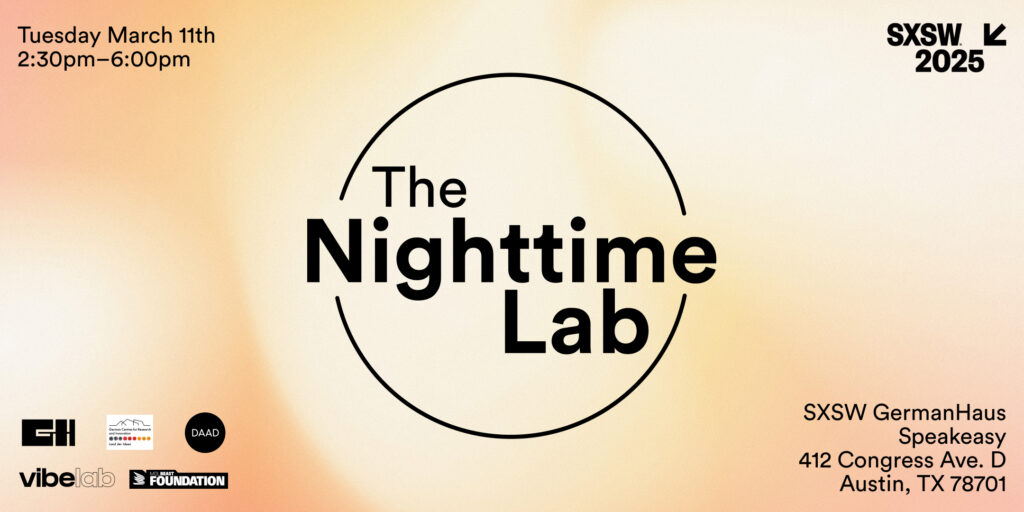
Join us at SXSW GermanHaus to explore how sound, wellbeing, and nightlife can thrive together. This year VibeLab, DWIH, DAAD, German Haus and MDLBEAST Foundation join forces to bring Nighttime Lab to life.
Nightlife is a catalyst for culture, innovation, and community. At NighttimeLab x SXSW 2025, experts, artists, and policymakers will explore how to create a healthier, more sustainable nighttime economy. This year’s focus is on hearing health, mental wellbeing, and smart policies shaping the future of the night.
- Location: SXSW GermanHaus | Speakeasy, 412 Congress Ave. D, Austin, TX
- Date & Time: Tuesday, March 11 | 2:30 – 6:00 PM
Panel talk: Sounds of the Night | 2:30 PM – 3:30 PM
Music is central to nightlife, but how does it affect mental health and wellbeing? How can we protect hearing without compromising the experience? Christian Strowa (DWIH New York) moderates a discussion with:
- Nada Alhelabi (MDLB Foundation, Saudi Arabia)
- Dr. Daniel Polley (Harvard Neuroscientist)
- Xan Damalas (Club Eternal Austin)
- DJ Wyldflower (Sunday Sessions ATX, TBC)
Workshop: Wellbeing at Night | 3:30 PM – 5:00 PM
The nightlife industry depends on creativity and connection—but mental health and safety are just as vital. This interactive workshop, led by Lutz Leichsenring (VibeLab), will provide strategies for building a culture of care with insights from:
- Brian Block (City of Austin, Sip Safely)
- Ana Arellano (Night Owl Therapy)
- Kathryn Taylor (Centro Calea, Tudo Bem)
Reception & Networking | 5:00 PM – 6:00 PM
The day concludes with music, drinks, and conversation, reception will be powered by MDLBEAST Foundation.
Program Highlights:
- Think and Do Tank: A collaborative platform for dialogue and prototyping actionable solutions.
- Training and Capacity-Building: Workshops featuring expert insights and peer-to-peer learning to enhance skills and knowledge.
- Discourse and Dialogue: Engaging discussions with Night Mayors, researchers, and nighttime professionals from Germany, the US, and beyond, fostering cross-cultural exchange and idea-sharing.
VibeLab to curate international stage at Night-Time Economy Summit 2025
The NTIA’s Night-Time Economy Summit brings together global nightlife leaders to exchange ideas, tackle challenges, and drive innovation shaping the future of nightlife. Last year, 1800 delegates from diverse backgrounds attended a range of interviews, seminars, panels and keynotes at the NTE Summit. The latest edition is set to take place on the 5th and 6th of February, 2025 at the Hockley Social Club in Birmingham, United Kingdom.
VibeLab will host and moderate a series of sessions on Day 1:
From Underground to Archive: Safeguarding Electronic Music’s Cultural Heritage
Exploring grassroots efforts, underrepresented voices and best practices to archive and bridge electronic music’s history, present and future in a digital era.
Wed, 05.02, 11:00-11:45
Moderator: Kerronia Thomas
Speakers:
- Miles Niemeijer, Music Coordinator, Podiumkunst.net (Amsterdam);
- Giuseppe Moramarco, Founder, Scene Clubbing Heritage (Berlin);
- Katherine Green, Director, Rendezvous Projects CIC (London);
- Dr. Anna Marazuela Kim, International Advisor for Culture in Cities (London).
How Independent Academies and Informal Education are Reshaping Future Culture-Makers
Empowering emerging creatives through grassroots initiatives, peer learning, and pathways to success, connecting past lessons with contemporary perspectives.
Wed, 05.02, 12:00-12:45
Moderator: Kerronia Thomas
Speakers:
- Fatima Elatik, Director, Patta Academy (Amsterdam);
- Kae Burke, Cofounder, House of Yes (New York).
- Ivan March, Communications & Curation, Waking Life Festival (Athens);
- Esther Wanyama, Community Manager, Another Life (Copenhagen) / NightSchool 2024 Alumnus;
From Vision to Impact: Turning Nighttime Strategies into Local Action
Transforming visionary nighttime strategies into actionable policies through political backing, stakeholder collaboration and practical insights to align city governance with nighttime community needs.
Wed, 05.02, 13:30-14:15
Moderator: Lutz Leichsenring
Speakers:
- Sasha Ojeda Mendoza, Nightculture Project Lead, City of Amsterdam;
- Martina Brunner, Executive Director, Vienna Club Commission;
- Mathieu Grodin, Night Mayor, City of Ottawa
- Katharin Ahrend, Managing Director, Clubcommission Berlin e.V. / Awareness Akademie (Berlin);
Building Safer Nights Together: Community-Led Approaches to Urban Nighttime Safety
Exploring safer nightlife through collaboration, inclusion and community-led initiatives, with insights from global cities and innovative practices towards fostering care and conflict resolution.
Wed, 05.02, 15:30-16:15
Moderator: Lutz Leichsenring
Speakers:
- Natalie Mets, Nighttime Advisor, City of Tallinn
- Julieta Cuneo, Night Time Policy & Strategy Lead, Greater London Authority
- Sophia Kearney, CEO, HE.SHE.THEY. (London).
- Lara Kofler, Night Management and Security, The Loft Vienna / Vienna Club Commission;
Tickets are almost sold out!
We look forward to seeing you there!
Seeing in the Dark – Nighttime’s Potential in Urban Innovation
This is a follow-up to my last blog entry “My personal Night-Shift: Finding Out about the Importance of a Topic“, where I outlined my personal journey towards understanding the significance of the night and culture in urban development.
Introduction: The Night – The Forgotten Time in City Development
I spend most of my working time on projects on sustainable city development. When I bring up the topic of the urban night in this professional context, I often encounter similar reactions: Either a grin or a confused look. A reaction that seems to ask, “this is a fun topic, but what exactly is the connection to what we’re doing here?“. Being in a professional context, I have the impression people want talk about professional topics. And these reactions suggest a perception that the night is not one of them; maybe a topic more for leisure, relaxation or socialising and distinct from ‘serious’ urban issues.1
Much like in my previous blogpost, I want to challenge this notion with a bold claim: What if the after-work hours are precisely when we can best address some of the most pressing urban challenges?2
With insights from my colleagues at Fraunhofer, vibelab, and beyond, I’ve shaped my thoughts around this idea. This blog post will explore those around three core thoughts:
Cosequently, could it be, that the disconnect between after-work life and the sustainable city development agenda is a major factor of what’s slowing our progress towards major urban transitions?6
To tackle the global challenges we face, we need creativity and the cognitive ability to break away from old patterns – qualities that are often more accessible in the after working hours, when we can easier move away from the constraints of formal professional settings2.
The underlying reasons sustainable/green city development and cultural engagement/nightlife aren’t already central to mainstream urban planning are similar: Difficulties in attributing the benefits they provide for society as a whole in economic terms.3 4 5 If the underlying reasons why they are overlooked resemble each other, overlaps should be able to be identified; and consequently ameliorating one sphere could inform and enhance the other simultaneously. Therefore, synergies between the two should exist and could be actively developed and used.
The Night: Why Is It Underrepresented?
The figure below summarises the key points drawn from the publications I read in the process of getting acquainted with the overall topic of nighttime socioeconomics and nighttime ecology. The mentioned arguments made a lasting impression on me and I tried summarising their essence in the following (see footnotes)7.
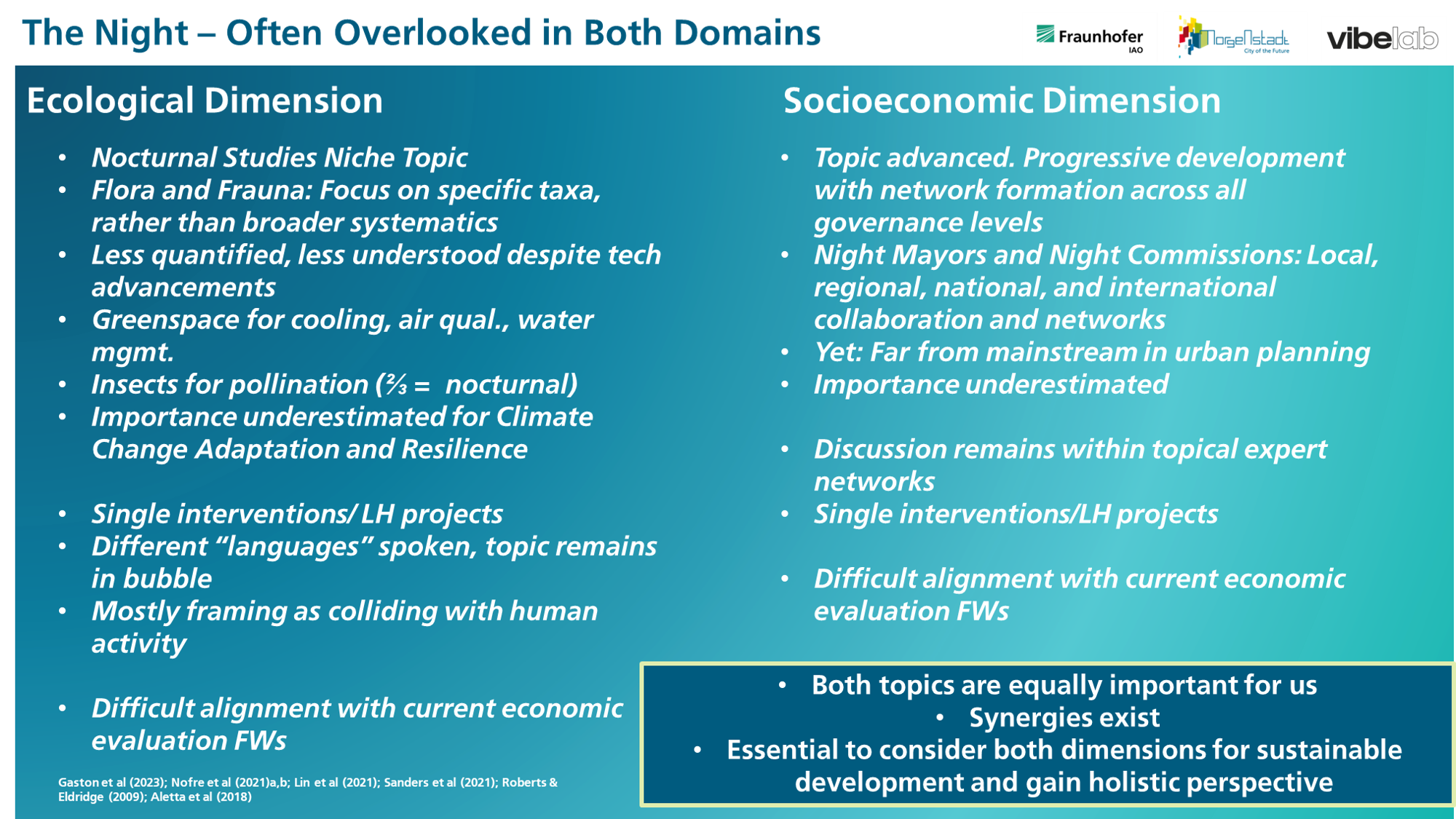
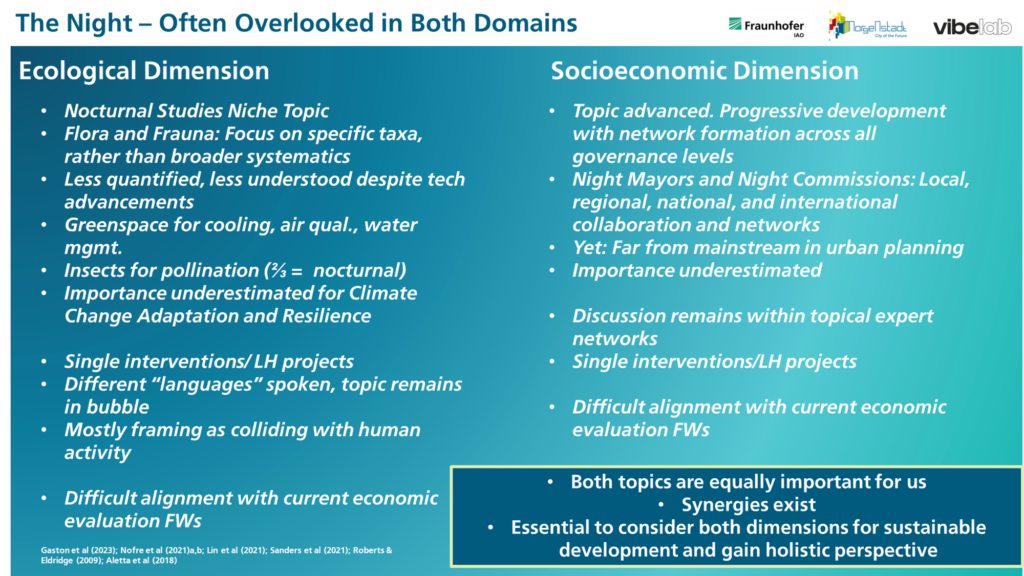
Nocturnal Ecology and Nocturnal Socioeconomics opposed
What literature says:
Societal Perspective1 6 8 9 : What struck me most was a frequently described and seemingly common pattern among urban planners, policymakers, and researchers alike: Most prefer daytime for their professional activities, often neglecting night-time considerations once their workday ends.
Ecological Perspective4 9 10 5 11: Interestingly, to me, most of the key observations in articles from this context could be applied to both ecological and socioeconomic aspects of nighttime. I added the possible relevance for the socioeconomic sector in brackets behind the original arguments I took from my ecological readings:
- Nighttime plays a critical role in ecological balance, analogous to its importance during daytime, yet it remains a niche area of research. (Undoubtly this is true for the societal sphere as well. I’d argue (night-)culture plays a critical role in societal balance. In the societal sphere there is a large advocacy movement on all levels of governance. Yet the topic itself is still far from being part of mainstream city development).
- Its significance is frequently underestimated, leading to its underrepresentation in ecological considerations (…and in urban planning discussions).
- The preference among ecologists to work during daytime contributes to the scarcity of focus on nocturnal studies. (Just like their counterparts in urban planning).
The Challenge with Economics and Economic Metrics
Like in any sector, economic considerations are a driving factor (if not THE driving factor) cities are fundamentally influenced by. Like the economy as a whole, cities aim to create an economically sound and thriving environment for their inhabitants and economic actors. Which itself ultimately underlies all subsequent activities. However, this economic focus often is a difficult fit with both cultural and ecological initiatives. Let me give you two illustrative examples:
Socioeconomic Aspects: Prevailing Informality9
- During almost all of my side gigs while studying and working in hospitality/nightlife, I received my wage payment in cash. These transactions never made it into official economic statistics or tax-related key performance indicators (KPIs). This situation reflects a broader reality: A significant portion of nighttime economy is informally managed, often out of necessity due to stringent regulations. It is therefore not fully represented in financial KPIs of a city. Simply increasing enforcement, such as deploying more tax officers, is not a practical solution.
Ecological Considerations: The Parking Spot Problem10 5 11
- Think about the lifecycle of a typical urban parking spot. Initially, there’s a one-time investment to pave the area. Install a parking meter, and the city enjoys a steady inflow of cash from users. Favourable budgeting no-brainer!
- Now, replace that parking spot with a public garden or a tree. While the initial costs might be similar for removing asphalt and planting, the ongoing expenses for maintenance like gardening and watering present a less appealing economic case under traditional city budgeting models12. Despite numerous studies showing the financial and social benefits of greener urban spaces, widespread adoption remains limited without public intervention.
In a Nutshell: Qualitative Aspects outweigh Monetary Benefits
There’s a reason, why the above mentioned economic metrics are ever so popular: Simplicity. City administrators, planners, politicians, and executives often operate under tight deadlines, needing to make swift but far-reaching decisions. They rely on clear, quantitative data to inform and justify their decisions (in the best case displayed (visually on e.g. dashboards)8).
Integrating new frameworks of calculus, that integrate e.g. the environment5, requires extra effort: Data collection, harmonisation, staff training, IT infrastructure etc. So, why not stick with simpler, straightforward metrics?
But to me, could not the viewpoint and angle be a difficult fit from a start:
What if the non-monetary benefits that both culture and nature bring to urban environments significantly outweigh their economic benefits? Imagine the value of spending time with friends under a leafy tree outside a charming café, or the lasting memories created from a night out at a lively bar or club. How do we quantify these experiences? For those of us reflecting on our youth, how significant are these memories for you?
Yet, either way you turn it: In the real world as of now, there’s no escaping economic metrics. They underlie all subsequent activities. Even if economic benefits are not the target of the things you try to set in motion through cultural and green city development.
But change comes gradually. And we may try being a part of it :)…
The Missing Link
Through my experiences in both sustainability and socioeconomic sectors of city development, including my role at the Nighttime Innovation Network at Fraunhofer since 2022, I have observed a critical gap in how these two spheres intersect and influence city planning. Let me give you my main observations in concise bullet points:
- Large-Scale Integration Lacking – There is a notable absence of a systematic, large-scale linkage between ecological sustainability and the socioeconomic aspects of the after-work time. Each sphere often attempts to address problems related to sustainability based on its own understanding, without substantial cross-disciplinary collaboration. The link yet has to be made in an systematic way on large scale (e.g. in the multilateral sustainable city development my employer Fraunhofer and the Department of Urban Systems Engineering pursues)13.
- Small-Scale Conflict Mediation Dominates – In the realm of nightlife and socioeconomics, the focus often remains on resolving immediate, localised conflicts (e.g., between a bar, a restaurant and its neighbourhood) rather than fostering broader synergies that could benefit the city as a whole. Again, because the link mentioned above is seldom systematically made.
- Focus on Conflict Resolving rather than on Synergies – In the topic, discussions often circulate around human activity and its collision with the needs of ecology. Focussing on the conflicts can lead to a further mismatch between needs of ecology and current urban and economic realities. Finding common ground gets difficult and discussions lengthy. Realigning the focus on the development of synergies could possibly have a greater impact and positive entanglement of societal and ecological advocates. An example here could be the ‘light pollution’ debate 14 , which is one of the center discourses in the field. It is a crucial topic to address. Yet, I think it is a term that inherently suggests conflict rather than cooperation between human needs and environmental considerations15. Put very simply: Nature wants it dark, humans want it illuminated. It requires a lot of negiotiation and education to change this (please see footnotes16 17 18). Also within each sphere the prevailing discourses focus on conflict resolution rather than creation of synergies. 1 9 14
The Benefits – What Do Culture and Ecology Offer, Why Are They Both Vital for Cities?
Both culture and ecology significantly enrich urban life, providing a host of amenities that enhance the liveability and appeal of cities3. These two spheres are fundamental to the attractiveness of urban areas, influencing not only the residents and visitors but also playing a crucial role in where people choose to reside, especially in Western societies.
Fair enough, but here I want to make the bold and (to me) straightforward assumption, that culture and ecology both are at the very core of why some cities continue to thrive while others descend:
What happens if a city is not healthy for its inhabitants or for them to raise their kids? Yes, easy answer: If they can, people will try moving somewhere else.19
What happens if a city is not safe/stable to live in? Yes, easy answer: If they can, People will try moving somewhere else.
What happens if a city is not attractive to live in? Yes, easy answer: If they can, people will try moving somewhere else.19
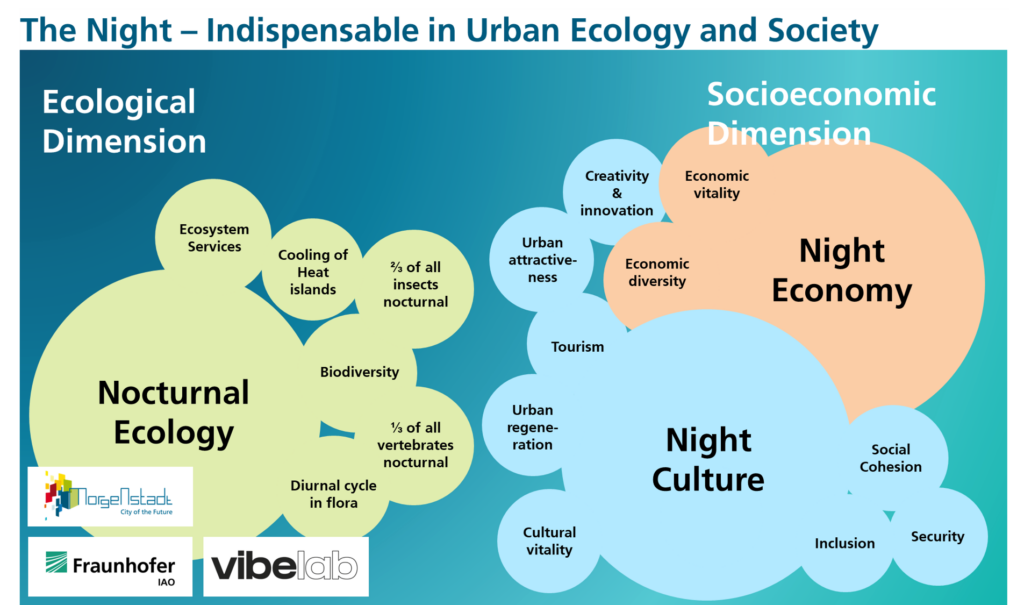
Ecological and Socioeconomic Dimensions of the Urban Night Side-by-Side
For some of the mentioned characteristics both do not only contribute to attractiveness, which is a more or less optional urban development area, but also to vital urban functions3 that are at the core of what a city needs to offer to its citizens: E.g. safety and economic vitality or cooling and water management. Without those, a city will only poorly function.
The Figure above hightlights the individual role of socioeconomics and ecology within the urban system … What could be possible if we try bridging and synergising both?
Finding Ways Forward – Finding the Synergies
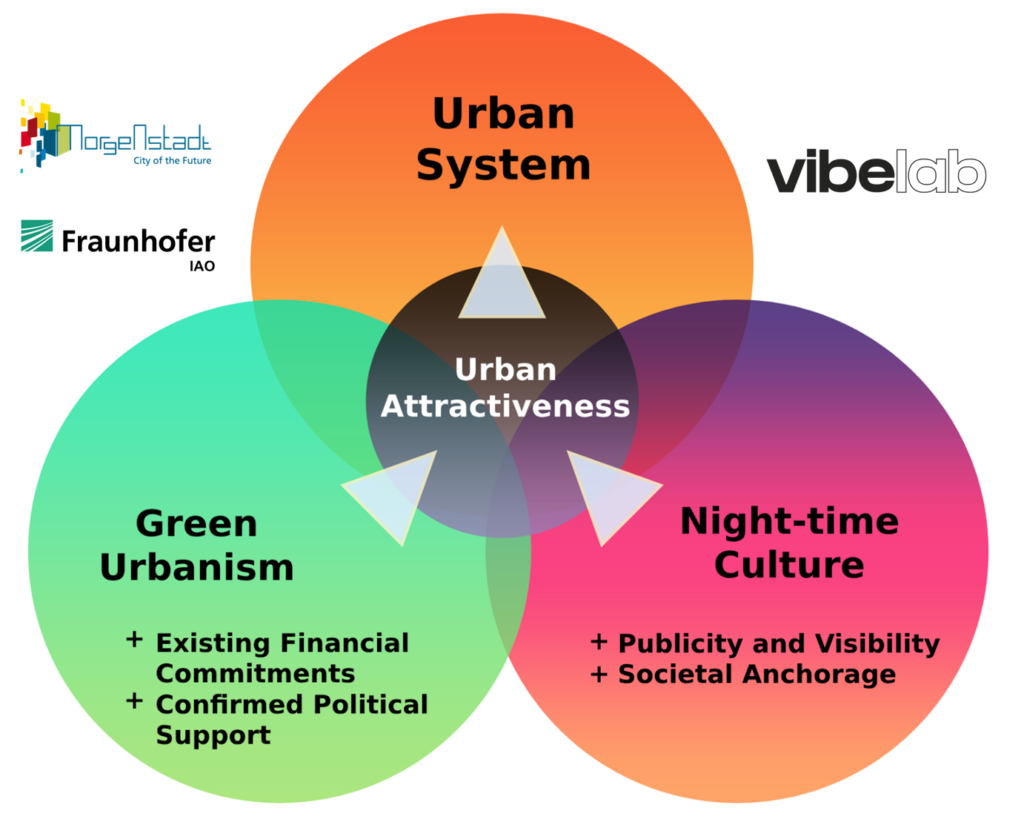
Proposition: Green Urbanism and Night-Culture in Synergy to enhance the Urban System as a whole.
Okay, good we know now…. But what do?!
To me, we should try finding an easy beginning. A beginning where we most likely will face little confrontation but enable those much-spoken synergies in a visible way. The link needs to be easy for everyone to understand the connections and the benefits what thinking about the “other sphere” can provide. Then over time, we may add the more delicate topics that maybe require more discussion and negotiation.
Together with Lutz Leichsenring from Vibelab, I, through my employer Fraunhofer IAO and the Department of Urban Systems Engineering started this process. Among other conferences and thanks to Lutz and Vibelab, I could take part in the ‘South by Southwest Conference and Festival – SXSW’ and the panel “The Transformation of Nightlife for a Sustainable Tomorrow”. This was the onset of our common considerations and since then we meet every couple of weeks to inspire us and to push things forward.
Push Things to Where?!
- One of the easiest links you may find bridging those spheres is Green Soundproofing. I wrote an article on our institute’s blog about this and soon afterwards a couple (!) of German cities reached out and showed their interest. The thought is easy: We spend so much on greening our cities, why not include nighttime culture and get double the benefit?
- And I’d say this is exactly the way to go: Find and make use of the easy links. Make it visible. Make it bold. But above all make it easy to participate.
- Well, listen closely: Coming to your city soon. Vibelab and Fraunhofer will make it happen :)!
… We will provdide a detailed description of our Green Soundproofing concept, the other initiative in the making (“Urban Systems Network Smart City @ Night”) and other practical ideas in the upcoming blogpost. Open-Source and free, just like both night and nature should be :)…
Epilogue: Seeing in the Dark – Nighttime’s Potential in Urban Innovation
Reflecting on why night-time issues remain underrepresented in urban planning reinforces my belief in the need for integrating efforts across both cultural and ecological dimensions. Ultimately, strategies that promote sustainable or green city development can be inherently beneficial for cultural and socioeconomic initiatives and vice versa.
A couple of weeks ago, I watched Jim Jarmusch’s “Night on Earth”, where a taxi driver picks up a blind passenger20. The dialogue goes like this:
Taxi Driver: “It must be really hard to be blind, you’re unable to do so many things.”
Blind Woman: “Listen, jerk, I can do anything you can and a lot of things you’ll never do. I’m blind, that’s all.”
Taxi Driver: “You can’t drive a car, for example.”
Blind Woman: “And you can?”
The joke is, that the driver soon has an accident after this talk.
To me, this dialogue set in motion a stream of thought. I see that this could be understood as metaphor for the topic of this blog post. Urban development has perhaps been ‘blind’ to the full potential night and culture can offer. With the urban re-greening initiatives underway but in a rather ambient pace, also urban development may does not ‘see’ the full beneficial value of re-naturing cities.
Earlier this year, I attended the “Blind Date with Stuttgart” exhibition, an event that transformed participants’ understanding of their environment by navigating a replica of common places in Stuttgart in complete darkness. We were guided by blind individuals. It was unimaginable how difficult I found it to find my way. I and the other participants had to rely on our other senses – feeling, hearing and scenting.
And this is where I see a possible connection to the topic at hand:
City development, to grasp all possible benefits, disbenefits and pathways, requires a full spectrum of senses. Perhaps it’s not about ‘making cities ‘see” the night or about ‘taking cities’ ‘blindness” towards the incredible potential of culture and greening through conventional pathways, by e.g. adapting conventionally used economic metrics, coming up with new KPIs or merging existing ones into more sophisticated units. We tried this with extensive sustainable urban development programmes in the past decades.
Maybe it is more about developing a new ‘sense’ or readjusting towards other, maybe forgotten ‘senses’ for how the urban environment functions around the clock.
Could developing the bespoken synergies be a way? Let us find out. And if you want, let us find out together.
A special thank you to Lutz for revising this text.
… Be in touch: niklas.effenberger@iao.fraunhofer.de
Montreal to Follow Recommendations from Creative Footprint, Launch 24-Hour Nightlife Districts Aiming to Boost Safety and Attract Talent
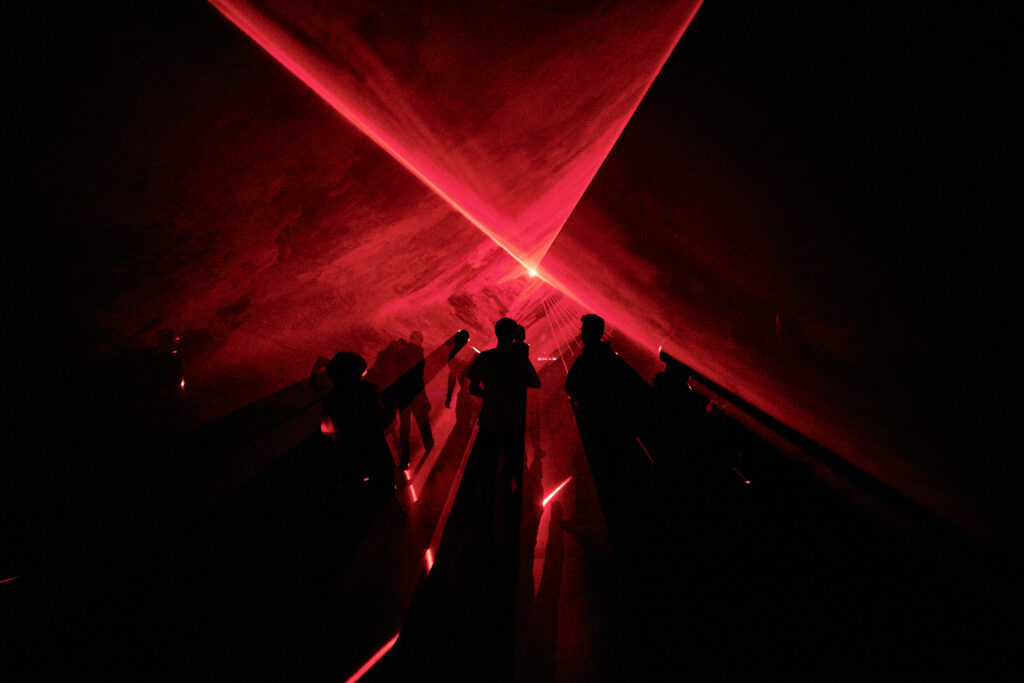
Photo: Vivien Gaumand
Montreal is gearing up to introduce a 24-hour nightlife district, as revealed by Luc Rabouin, chair of the city’s Executive Committee, earlier this year. The district, planned to be located near downtown, will be governed by new bylaws, including changes to music and noise regulations, which are expected to be released in early 2024. Currently, venues in Toronto must close by 2 AM, while in Vancouver and Montreal, they can stay open until 3 AM.
The new regulations will extend operating hours for bars in certain areas of the city, and a specially designated 24-hour nightlife district will be created. These changes are reportedly expected to be rolled out later this year.
It is expected to improve safety and alleviate some of the pressure on the police. Closing all venues at the same time often leads to chaos, as large crowds spill into the streets simultaneously. Additionally, 3 AM is often a time when people are not yet ready to stop drinking but are already tipsy enough to cause problems. “But if you expand the hours, there are fewer problems and less demand for security,” said Michel Lavallée, owner of L’ile Noire, in an interview with the NY Post.
Beyond safety concerns, there are other benefits to extended nightlife. As Lutz Leichsenring, co-founder of VibeLab told the BBC, “One of the strongest arguments for nightlife is that it attracts talented and skilled workers. It’s a very important factor why people would relocate to a city or would like to stay in a city and not move away.”
Expanding time and space for nightlife via later hours, transit access, and access to new, affordable spaces was one of the recommendations our Creative Footprint Montreal report came up with in 2023. If you would like to know more about CFP and recommendations for Montreal here.
Exploring Water as a Creative Space in European Cities: Insights from VibeLab’s Fluctuations Report
Water is an integral part of urban landscapes across Europe. It often covers around 5% of a city’s surface, and in places like Amsterdam, this figure can soar to as much as 35%. As urban spaces become increasingly congested, it’s essential to rethink how we utilize these aquatic areas, particularly for cultural and creative purposes aligned with environmental sustainability. The recent Fluctuations report by VibeLab, prepared for the Fluctuations Festival, dives into this subject, examining the potential of urban waterways as creative spaces.

The potential of waterways in urban landscapes
Water bodies within cities are not just scenic spots but are spaces that hold immense potential for cultural activities. These areas can serve as venues for community activations, concerts, art installations, performances, and more, questioning urban rivers’ prime function as traffic routes, claiming them as areas for recreation and environmental regeneration. The Fluctuations report highlights how thinking of these water bodies as accessible spaces for more mixed use is crucial, especially as land surfaces become increasingly scarce for cultural uses. At the same time, these sensitive biospheres challenge cultural organisers and audiences to adapt their practices in consideration of the natural environment.
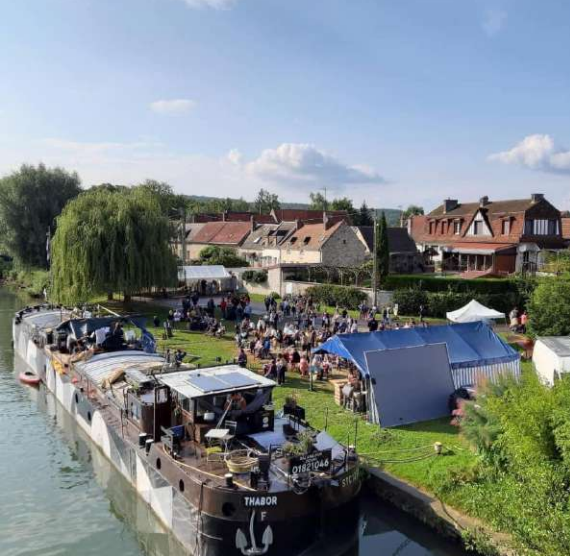
Key findings from the Fluctuations Report
VibeLab’s study is the first to compare cultural practices on water across multiple European countries. Conducted in five countries and encompassing research on 36 cultural vessels, the report provides a comprehensive overview of how different cities and nations approach the integration of water into their cultural frameworks. Here are some key insights from the report:
- Stakeholders: The report gives an understanding of the variety of stakeholders involved in creative river transformation; from boat operators, event organisers, waterfront venues, and NGOs to local governmental institutions.
- Infrastructures: The infrastructure, especially mooring spaces at sites suitable for social gatherings, plays a significant role in the feasibility of hosting creative activities on water. The concept of ‘cultural harbors’ is presented in detail.
- Policies and Governance: The report examines existing policies and governance structures that impact cultural activities on water. It suggests that current regulations disregard and often restrict rather than facilitate creative uses of waterways.
- Creative River Policies: To better utilize these spaces, cities need to develop dedicated policies that encourage and support creative activities on water. This includes innovating waterway infrastructures and simplifying permit processes.
- Climate Change Considerations: With extreme heat becoming more common due to climate change, waterways are becoming increasingly attractive as cool retreats for urban residents. This trend underscores the importance of developing regulations that not only protect these areas but also promote their use for cultural and recreational purposes.
For more information, consult the Executive Summary of the report.
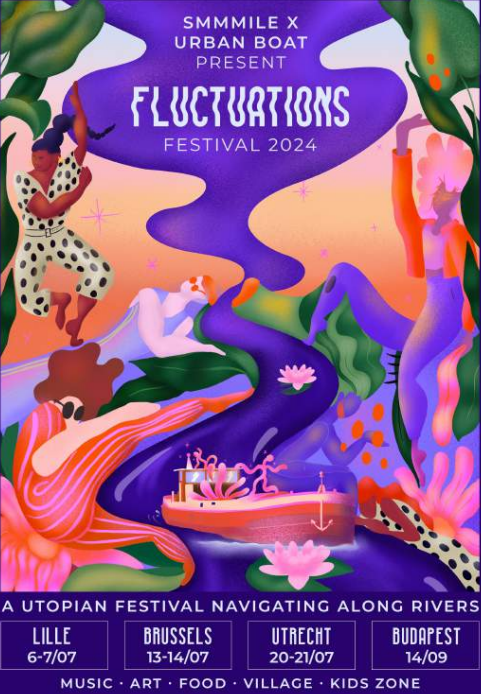
The role of water in shaping urban creativity
As Nicolas Dhers, CEO of the Fluctuations Festival, points out, “One result of climate change is that extreme heat will continue to increase in Europe and citizens will seek out areas by the water to cool down and spend their free time. Instead of developing regulations that merely restrict, we should understand them as tools to shape, to incentivise good practice and to go with the times.”
This perspective is crucial as cities look for innovative ways to integrate water into their cultural and creative landscapes.
Nashville at a crossroads: preserving music city’s diverse heritage amidst new challenges
Nashville is a city known for country music, but it has a rich musical heritage across many genres. It’s the city where Jimi Hendrix, Taylor Swift, and Dolly Parton learned to play, and it’s called Music City for a reason. Right now, it is at a crossroads and faces the weight of its own success. Critical challenges threaten its independent music venues, including issues with real estate, rising costs, and the pressure to commercialize through large partners just to stay afloat.
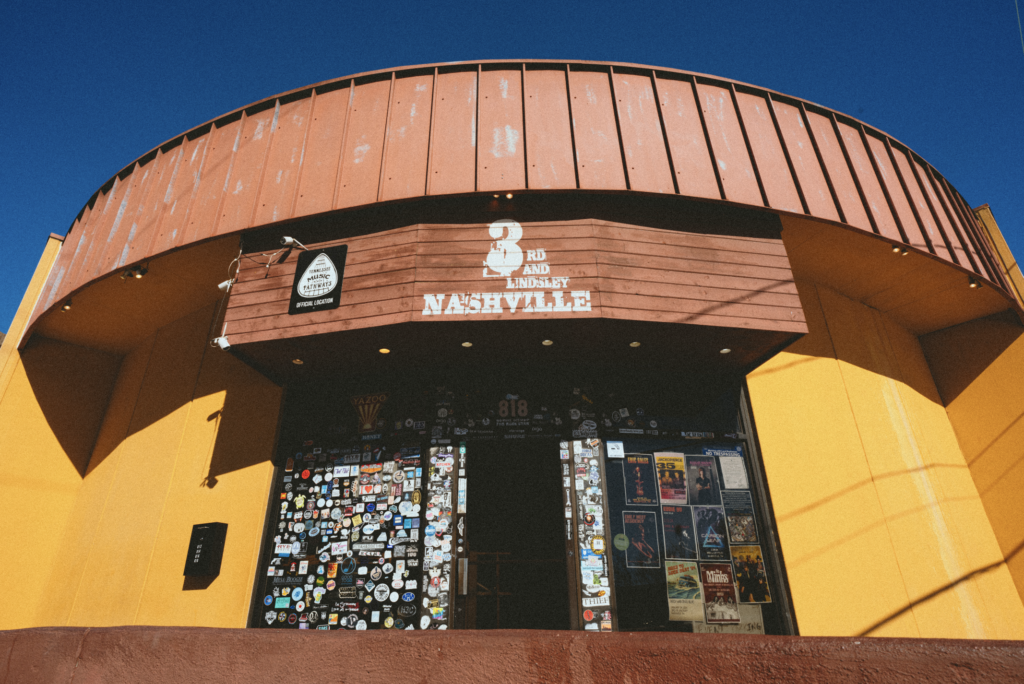
Photography by Chuck Adams
In response to these issues, the Nashville Metro Council initiated a study aimed at assessing the state of these vital cultural hubs and formulating strategies for their preservation and growth. Nashville Independent Venue Study was spearheaded by a project team from PennPraxis and VibeLab, Culture Shift Team with support from Nashville Metro Planning.
This extensive research has been released, offering profound insights into the economic, social, and cultural significance of Nashville’s independent music venues. Conducted throughout 2023, the study utilized a blend of quantitative analysis, qualitative research methods, and extensive community engagement to inventory and classify these venues.
What we found out
Some of the key findings include, for example, Nashville’s venue inventory: Nashville has at least 252 music spaces. At least 112 regularly present music as their primary offering. Of these, 24 are independent music venues; 48 have some degree of independent ownership; 40 are not independently owned and/or operated.
We also found that Nashville is venue-dense, meaning it boasts more venues per person than many other global music cities. The report also found that independent venues are under pressure as they are located on land with lower average assessed values compared to quasi-IMVs and non-IMVs. This suggests that IMVs are far less able to keep up with the region’s rising rents and property taxes than their non-independent peers.
Recommendations
Besides that five central themes emerged during the research, and the new NIVS study outlines a wide range of potential actions, from short-term to long-term, that the city can adopt to better support IMVs and live music:
- Support live music through civic leadership and a “whole of government” approach.
- Use policy, regulatory, and development tools to support venues.
- Reduce challenges and costs of starting and operating new venues.
- Make urban mobility work for live music venues, workers, and patrons.
- Extend music-related investments to more genres and more neighborhoods.
The findings of the Nashville Independent Venue Study highlight the urgent need for coordinated efforts to protect independent music venues from urban pressures and economic uncertainties. By uniting stakeholders and policymakers around shared goals, the study aims to spark meaningful actions that will sustain Nashville’s cultural vibrancy for future generations.
As Nashville continues to evolve, this study serves as a crucial roadmap for ensuring that its independent music venues not only survive but thrive, maintaining the city’s status as a beacon of musical innovation and community spirit.
The Nashville Independent Venue Study has been featured in local press, highlighting its importance and the critical challenges facing Music City. To read more, visit the following links: [ Axios, Nashville Today, Nashville Scene, WNXP 91.1 FM, WPLN News, The Tennessean]
Interested in conducting a study in your city?
Write lutz@vibe-lab.org
My personal Night-Shift: Finding Out about the Importance of a Topic
This year, I had the opportunity to participate in a panel discussion at the ‘South by Southwest Conference and Festival – SXSW’ titled “The Transformation of Nightlife for a Sustainable Tomorrow” – how exciting!1
But besides this exciting opportunity, besides the fact of being able to travel to Austin, to meeting interesting people and to talking on a panel; over the past years the topic grew closely to my heart.
I genuinely believe, that linking the environmental transition a lot of cities worldwide pursue, with culture and nightlife could benefit both worlds drastically. And guess what – I’m not alone!2
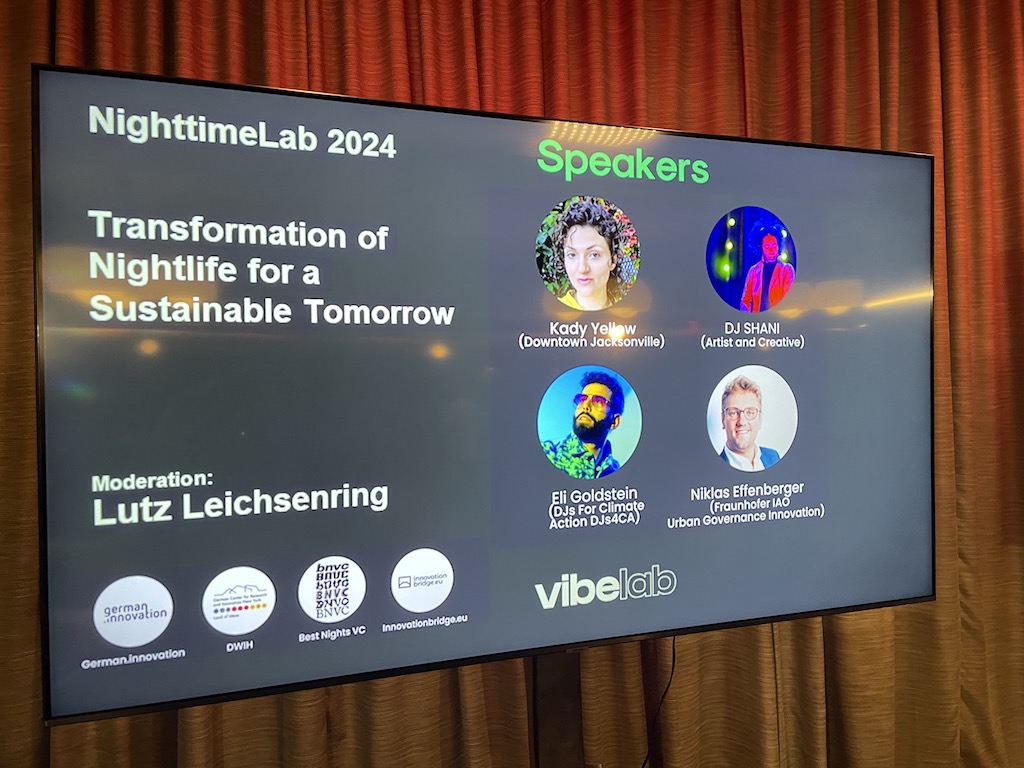
Good panel, good Conference, good mood – let’s go :)!
But let’s go step by step – how did this all start?
Back in the days in 2022, when I started working at Fraunhofer IAO, I took over a project called the Nighttime Innovation Network from my predecessor Jennifer: A series of workshops aimed at resolving conflicts between different interest groups in urban nights. Participants included artists, representatives of nighttime advocacy groups, public authorities (public order office), police, firefighters, security personnel, club and bar owners, and city officials, including Stuttgart’s first Night Mayor.
Due to former engagements as waiter, bartender and kitchen helper several local venues, and due to some of my volunteering activities, I had hands-on experience on how nightculture can look like from both ends. And the issues that may come with it. Now in this workshop, even my city’s first Night Mayor participated. All was pretty exciting for me!
The workshops (all online due to Covid-aftermath) followed a consistent structure: Intro done by Hendrik Meier from Vibelab3 and me, then breakout sessions in different groups, then discussion in big group. Then Hendrik and me synthesising the findings on paper.
Over time and over multiple workshop sessions together we went through identifying overarching themes and subtopics. To then be able to identify related challenges and possible solutions4. This process yielded a long list of possible ways forward, from which we compiled a more general and concise version in the form of policy recommendations. I could present the findings at the about pop conference on night-culture and we received a positive feedback5.
However, one thing stayed with me — during the discussions, also the one during the conference, it was challenging to keep myself and everyone else ‘on track’. We were constantly tempted to switch between different layers of the problem — switching seamlessly talking about individual and specific examples to the ‘bigger picture’ and general implications – back and forth. Localised and individual best-practice examples and overall policy implications were being discussed at the same time. Nevertheless, we managed it and the outcome was useful and well-received! In hindsight this experience proved to be very insightful for me.
The project finished, and sadly, no follow-up funding was secured, so in my working days the Nighttime Innovation Network was naturally replaced with other projects. But I still thought about the topic. I began reading mostly on nocturnal insects and their relationship to light 6 and I could get hold of the newly published book Managing Cities at Night: A Practitioner Guide (see p. 110 for explicit mention and call for action sustainability-nighttime; throughout the book only minor role)7.
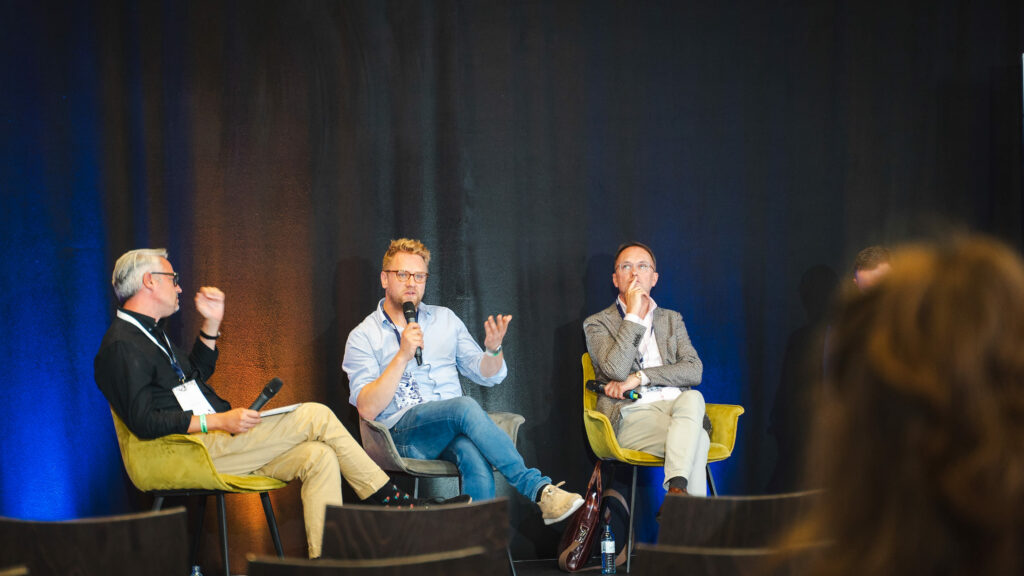
At NOEK conference – talking about how the night is hiding in plain sight
A nocturnal Aha-Moment
It wasn’t until 2023 that I was invited to speak on a panel titled ‘The Night – The Forgotten Time in City Development’ at the NOEK Conference in Mannheim8. Just by reading the title, it clicked. I saw what I did not see before: All the projects I was involved with at Fraunhofer dealt with cities, and all the frameworks and initiatives within them dealt with cities, yet none of them touched on the topic of the night.
My thinking went like this:
- “Aha… day and night are roughly equal in duration, yet our projects primarily focus on daytime…”9
- “Hmmm, but we had the Innovation Network that happened for the night…. Wait a second… funding ran out and everybody went their way. Inside my other projects I am not asked about the topic…
- It came to me that during the Nighttime Innovation Lab, there was the exclusive participation of socioeconomic actors, without the ecological or environmental view present. The topics are covered only in parallel – either the ecological/sustainable city’s perspective or the nocturnal-socioeconomics side..10”
- All the discussions I had with colleagues and friends on the topic came back to me, wow!
- And attending NOEK reinforced my understanding, how common this theme is
Morgenstadt Twilight Innovations – Moving forward and trying to find a way
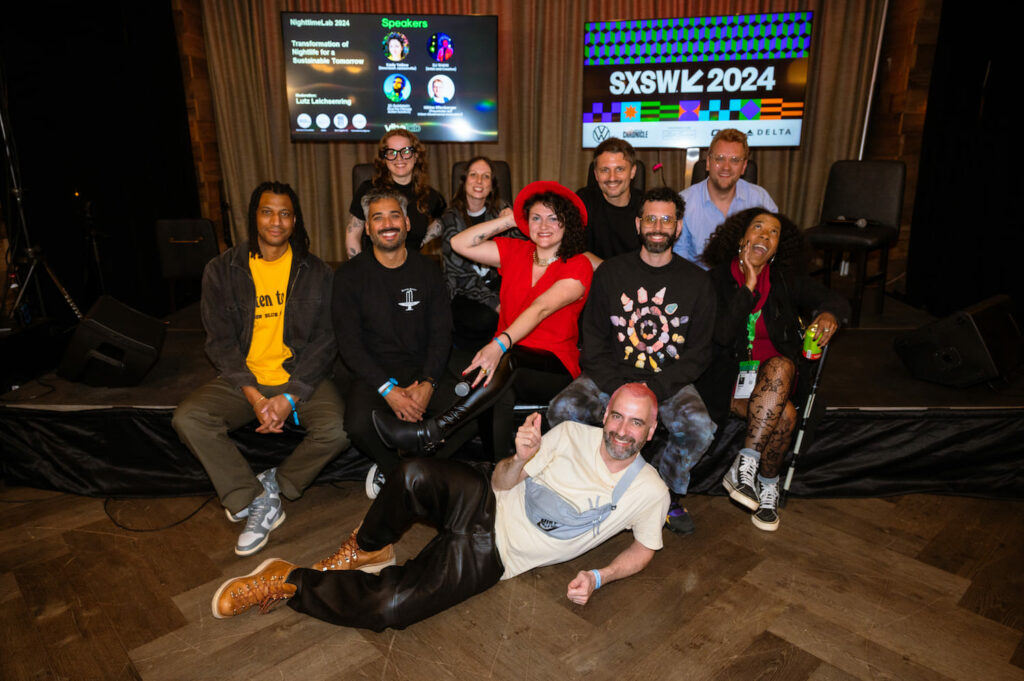
Happy times at SXSW, Photo shot by Andrea Escobar
In the aftermath of this conference I intensified my reading with the texts by Kevin J. Gaston, Vibelab and Jordi Nofre.
And then – it was all magic – I reached out to Lutz and to Jordi, I enthusiastically travelled to SXSW, met many like-minded people, and experienced many new ‘click’ moments. One statement from the panel by Lutz resonated with me: That due to rising temperatures, urban life will likely shift towards the evening and night, making the topic ever more crucial to address.11
I thought to myself: “Well – how more important can it all get?!”
As 2024 goes on, with the help of my supervisors we could set-up a consortium on green soundproofing and start with the development of the ‘Industry Network -Smart City @ Night-‘. Several other ideas are in the pipeline and I’d be so happy to share and possibly get -you, reading this text- on board :).
I will continue with the concepts we came up with in my next blog post – Thanks for reading; btw – this is my first blogpost, yay!
- Thanks to my sponsors allowing me to participate at SXSW – Lutz and Vibelab for the invitation and the ongoing inspiring discussions. And to The German Center for Research and Innovation New York for the financial support. See also description of our panel. ↩
- First and foremost Lutz from Vibelab. As well Jordi Nofre who replied my mails and took time talking to me. Jordi’s research helped me a lot in understanding the topic better. E.g.: “The Urban Ecological Transition and the Future of Europe’s Nightlife Industry” (2023),doi: 10.1080/16078055.2022.2162112; Side note: I couldn’t find Jordi’s Article on Sci-hub.That’s why I reached out to him and that’s why we are in touch until today. Sometimes barriers can create connections :)…. Also Kevin J. Gaston’s work helped me very much, e.g.: “The Nocturnal Problem Revisited” (2019), doi: 10.1086/702250 and “Anthropogenic Changes to the Nighttime Environment” (2023), doi: 10.1093/biosci/biad017; ↩
- Hendrik was Germany’s first publicly elected night-mayor. He was working in the city of Mannheim. A nice place. At the time of the workshop he was affiliated with Vibelab. ↩
- See the slides. ↩
- about pop conference and festival Stuttgart. A special thank-you to Stuttgart’s first night mayor Nils Runge for saving us a spot in the agenda for our discussions. ↩
- See this recent paper: Fabian, S.T., Sondhi, Y., Allen, P.E. et al. Why flying insects gather at artificial light. Nat Commun 15, 689 (2024). https://doi.org/10.1038/s41467-024-44785-3. ↩
- Book, released just in the right time for me: Acuto, Michele, et al. Managing Cities at Night: A Practitioner Guide to the Urban Governance of the Night-Time Economy. 1st ed., Bristol University Press, 2022. JSTOR, https://doi.org/10.2307/j.ctv22jnkcq. (see p. 110 for explicit mention and call for action sustainability-nighttime; throughout the book only minor role) ↩
- By happy coincidence – initially my supervisor was invited to go but hat a conflicting event. Link to NOEK Conference Mannheim. ↩
- Writing this makes me feel kinda silly – this is all so obvious, right?! ↩
- please note: This is simplified and reflecting my personal journey. I am trying to target the bigger picture with my argument and I do not want to discredit initiatives that already move in this and in bridging both worlds. What I personally observed is that in this context, topics related to sustainability are often approached from the cultural/societal sphere’s vision and concept, not as someone from the ecological or city-development sphere might frame them. This goes vice-versa. I vividly remember a discussion between an lighting-experienced ecologist and a cultural/societal night-time advocate, where finding common ground was extremely difficult. ↩
- You can already see this happening in the real world. See an article from September 9, 2023 in the Washington Post – “Extreme heat is forcing America’s farmers to go nocturnal”(paywall). ↩
VibeLab helps shape the modernization of licensing and zoning laws of the City of Toronto
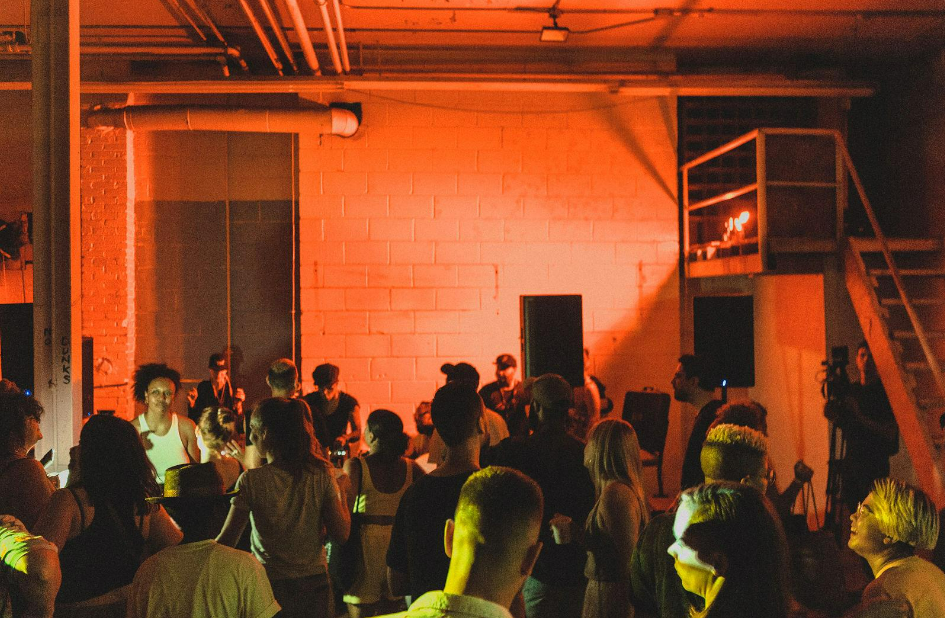
In 2023, the City of Toronto commissioned VibeLab to conduct a study on the impact of zoning and licensing regulations on the city’s night economy. As a public consultation study, VibeLab upheld diversity, equity, inclusion and geographic representation as key considerations in the design of the outreach strategy and discussion questions. A stakeholder database was also curated, boasting over 300 prominent figures in Toronto’s nightlife scenes, entertainment industries and DIY arts communities.
The process engaged approximately 3,300 participants over a four-week period from March–April 2023, through either an online survey and/or one of 10 community and industry-wide consultation meetings held in-person and online.
The vast majority of respondents expressed a desire for more flexible regulations related to the temporary use of space (81%) and faster permit reviews (72%).
“The issue with these licences is that you can’t define cultural gathering spaces in boxes…Especially for venues that support marginalized communities…the existing venues are having to take on more and more “hats” to fill a crucial need for certain communities…The licences do not encapsulate all these hat[s]…It’s impossible to.” – A survey respondent
The small-group design of the consultation sessions facilitated reflection on the broader topics of equity, economic development, and public health topics as well as in-depth discussions across the four categories of: zoning, licensing, promoting neighbourhood coexistence at night and inclusion and barriers to access.
To access the consultation findings, view the full report of the Night Economy Review.
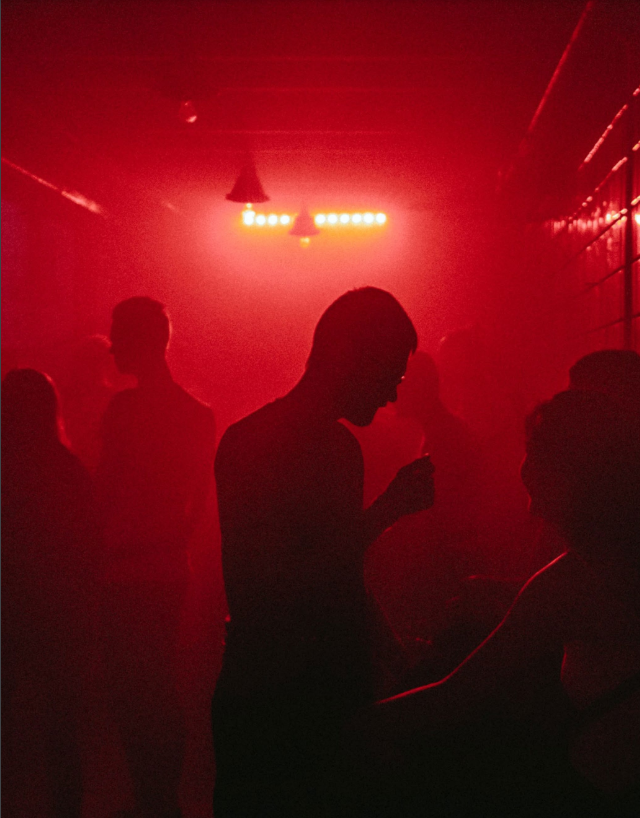
“There is a growing trend towards multi-use spaces that bring value to a neighbourhood over 24 hours, perhaps acting as a coffee shop and co-working space by day, and a bar or event space by night. There could be special art galleries and installations beyond a single night of the year, not just during Nuit Blanche.” – VibeLab’s Co-Founder Mirik Milan in an interview with Toronto Star
What lies ahead
Findings from the VibeLab report helped to inform the recommendations presented by city staff at committee meetings later that fall. Before the year drew to a close, the City Council ultimately adopted amendments to the Licensing Bylaw and the Zoning Bylaws for restaurants, bars and entertainment venues which are expected to come into effect on January 1, 2025.
Carrying the momentum into 2024, the city held its inaugural Night Economy Town Hall on January 17, 2024, with the next scheduled for 2025.
Subscribe to keep updated on the City of Toronto’s multi-divisional Night Economy initiatives.